When Algorithms Meet Adrenaline: The Fusion of Automated Game Features with Real-Time Sports Wagering and Loyalty Incentives
Written by Leon Bauer · Aug 11, 2026
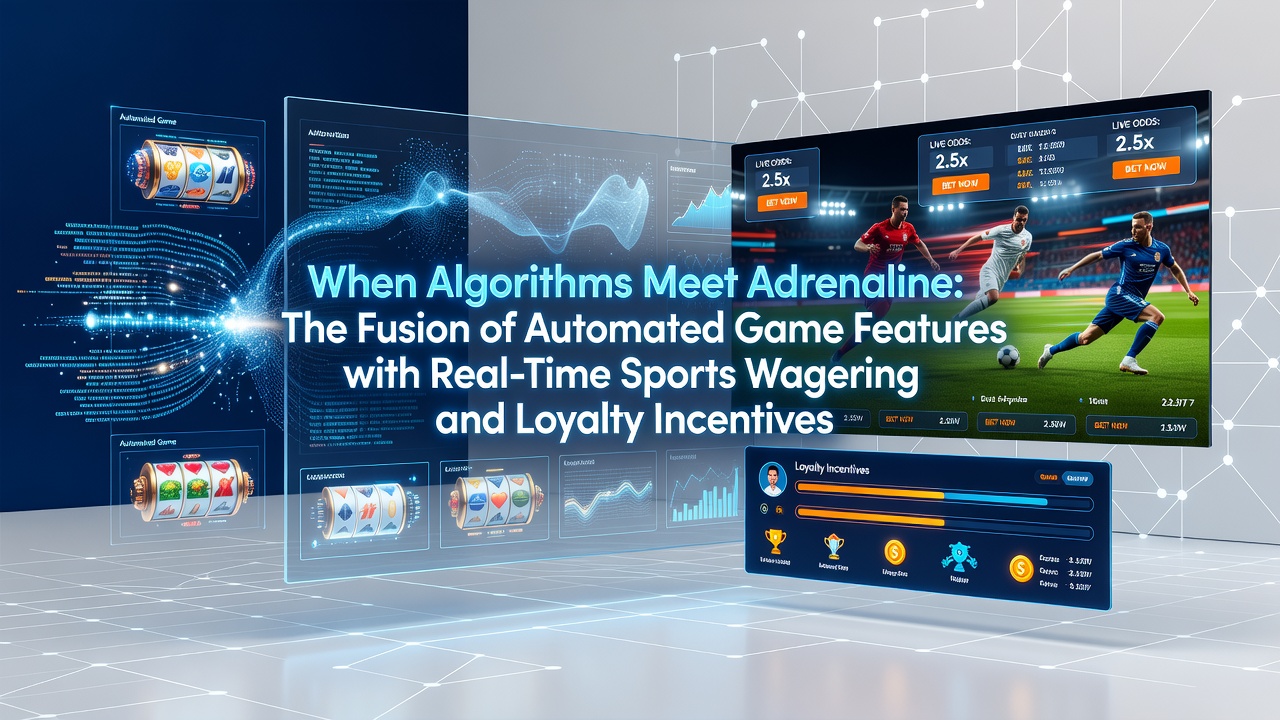
When Algorithms Meet Adrenaline: The Fusion of Automated Game Features with Real-Time Sports Wagering and Loyalty Incentives
Algorithms now drive automated game features that adjust in real time while players shift between digital reels and live sports markets, and loyalty systems track every interaction to deliver personalized rewards without manual input. Data from industry reports shows these integrations have expanded across platforms since the early 2020s, with operators using machine learning models to sync slot mechanics, accumulator bets, and tiered incentives into single sessions. Observers note that players often encounter seamless transitions where an automated bonus trigger on a mobile slot immediately influences odds displayed in a connected sports feed.
Core Mechanics Behind Automated Features
Automated features rely on predictive models that analyze player behavior patterns, wager sizes, and session lengths to trigger adjustments on the fly, and these systems pull from vast datasets collected across slots, tables, and betting interfaces. Research indicates that such models process thousands of variables per second, allowing features like dynamic paylines or auto-adjusted stakes to respond to external events such as live match updates. Those who study platform architecture point out that the same algorithmic layers often manage loyalty point accrual, converting every spin or bet into incremental rewards that escalate based on velocity rather than static thresholds.
Integration deepens when real-time sports data feeds enter the equation, because algorithms can recalculate probabilities and push tailored offers mid-event. A single accumulator bet placed during a football match might activate a parallel slot feature whose multipliers align with the unfolding scoreline, while loyalty meters advance in tandem. Figures from regulatory filings in multiple jurisdictions reveal that platforms employing these crossovers report higher session retention rates compared to isolated game formats.
Real-Time Sports Wagering Layers
Real-time sports wagering platforms now embed algorithmic automation that updates odds, manages risk pools, and generates micro-incentives without pausing the action, and this occurs while loyalty programs simultaneously log activity for immediate redemption options. Systems monitor variables including team performance metrics, weather conditions, and historical correlations to adjust available markets instantaneously. Experts have observed that players receive notifications for boosted odds or loyalty multipliers precisely when an algorithm detects a shift in betting momentum, creating fluid movement between sports slips and automated game modules.
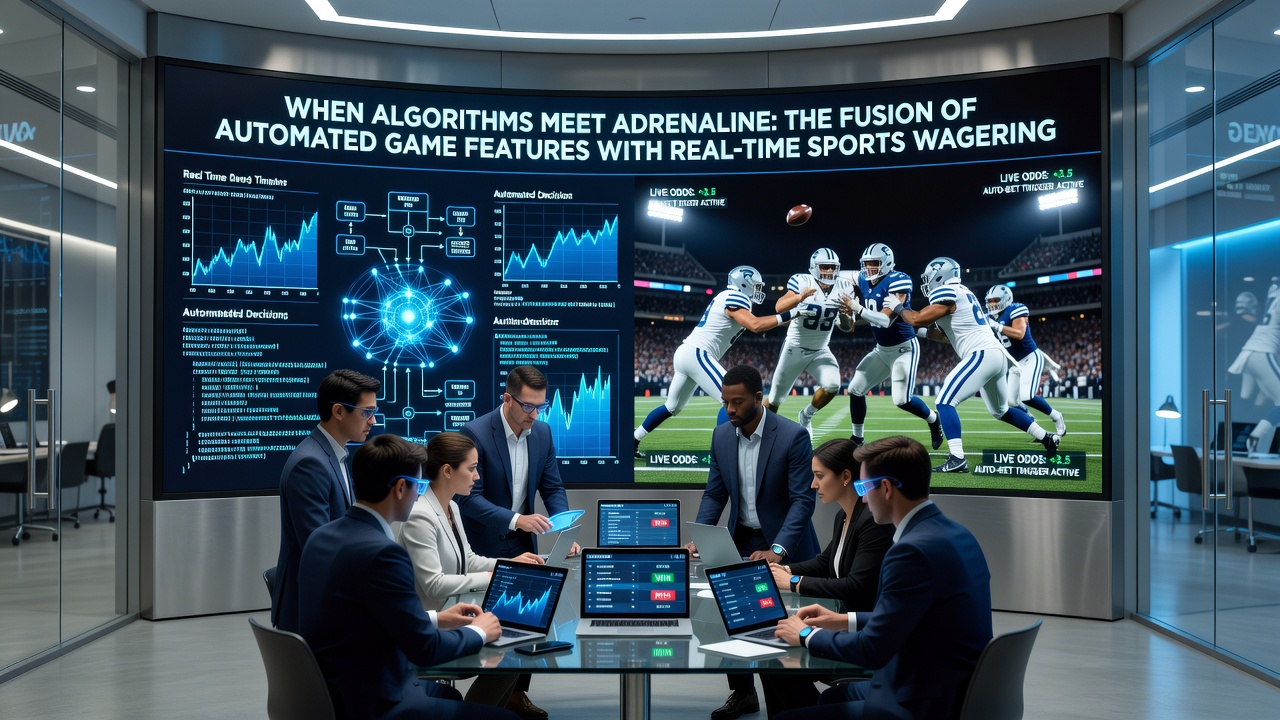
Operators achieve this synchronization through centralized data pipelines that connect sports books with casino engines, and the pipelines feed loyalty engines that calculate points based on combined risk and volume. In August 2026 several major platforms rolled out updates allowing loyalty tiers to unlock automated hedging tools within live sports interfaces, letting users protect positions while earning accelerated rewards. Data shows these updates coincided with measurable increases in cross-product engagement across North American and European markets.
Loyalty Incentives as the Connecting Tissue
Loyalty incentives function as the connective layer because algorithms translate activity from both automated games and live wagers into unified progressions toward cashback, free spins, or exclusive market access. These systems apply tiered multipliers that respond to behavioral signals, such as consecutive wins or rapid bet placement, without requiring separate tracking apps. Industry analyses from sources like the American Gaming Association demonstrate that unified loyalty structures reduce player churn by aligning rewards across product verticals rather than isolating them.
One documented case involves platforms where an algorithm detects a player shifting from a high-volatility slot session into an in-play tennis market, then automatically escalates the loyalty multiplier for that sequence while suggesting an automated feature that mirrors the sports risk profile. Such examples illustrate how the fusion operates at the individual level while scaling across millions of accounts through distributed computing resources.
Technological and Regulatory Context
Cloud-based infrastructures and edge computing enable the low-latency performance required for these fusions, whereas compliance frameworks in regions outside the UK demand transparent auditing of algorithmic decision-making. Reports from the Nevada Gaming Control Board highlight ongoing requirements for operators to document how automated features interact with real-money wagering and reward distribution. Academic studies published in the Journal of Gambling Studies have examined similar systems and found that transparency measures correlate with sustained user trust when algorithms handle both risk calculation and incentive delivery.
Platforms continue refining these models by incorporating additional data streams such as biometric indicators from mobile devices, though regulatory bodies in Australia and Canada emphasize strict boundaries around personal data usage. The result remains a tightly woven environment where every automated adjustment, live bet, and loyalty credit operates within interconnected logic trees.
Conclusion
The fusion of automated game features with real-time sports wagering and loyalty incentives continues to evolve through algorithmic coordination that processes player actions, market fluctuations, and reward calculations in unified streams. As of August 2026 platforms have demonstrated scalable implementations that maintain compliance while expanding cross-product engagement, and further refinements are expected as data infrastructure advances. Observers note that the underlying architecture relies on precise synchronization rather than isolated components, producing environments where algorithms manage adrenaline-driven decisions across multiple formats simultaneously.