Reward Pathways Shift Player Stakes Across Mobile Slots, Tables and Sports Markets
Written by Dana Flores · Aug 16, 2026

Reward Pathways Shift Player Stakes Across Mobile Slots, Tables and Sports Markets
Digital platforms use tiered reward systems that adjust point accumulation rates and redemption values depending on the game category, which in turn influences how players distribute their wagers between reel cycles, dealer tables and athletic markets on handheld devices. Data from industry monitoring services show that players often move funds toward categories offering accelerated progress toward higher loyalty levels during specific promotional windows.
Mechanics of Tiered Reward Allocation
Operators assign different multipliers to wager contributions from slots, live dealer sessions and sports bets, so a player chasing a platinum tier might direct more activity toward the category that yields the highest point ratio per unit staked. Research from the Canadian Centre on Substance Use and Addiction indicates that these weighting systems can redirect up to 35 percent of a typical mobile user's monthly handle within a single quarter when new tier thresholds are introduced.
Reel-based games frequently carry the lowest contribution rates toward VIP progress, yet they generate high volume through frequent small stakes, while live dealer tables and accumulator sports bets receive higher multipliers because they produce larger average bet sizes. Players respond by reallocating portions of their bankroll once they identify which format advances their status most efficiently on their chosen device.
Mobile Interface Design and Fund Direction
App layouts present real-time tier meters and projected point earnings directly alongside game lobbies, allowing users to compare contribution rates before committing funds. When a sports market offers boosted odds combined with elevated reward multipliers, observers note temporary spikes in athletic wagers at the expense of slot sessions and table play. Similar patterns appear when live dealer rooms introduce limited-time loyalty accelerators that outpace standard slot rates.
Data Patterns Observed in August 2026
Platform analytics released in August 2026 revealed that mobile users in mid-tier brackets increased sports market allocations by an average of 22 percent during weeks when accumulator bonuses aligned with elevated reward multipliers. The same datasets showed corresponding declines in reel cycle activity during those periods, while live dealer table volumes remained relatively stable because their contribution rates already sat near the top of most weighting tables.
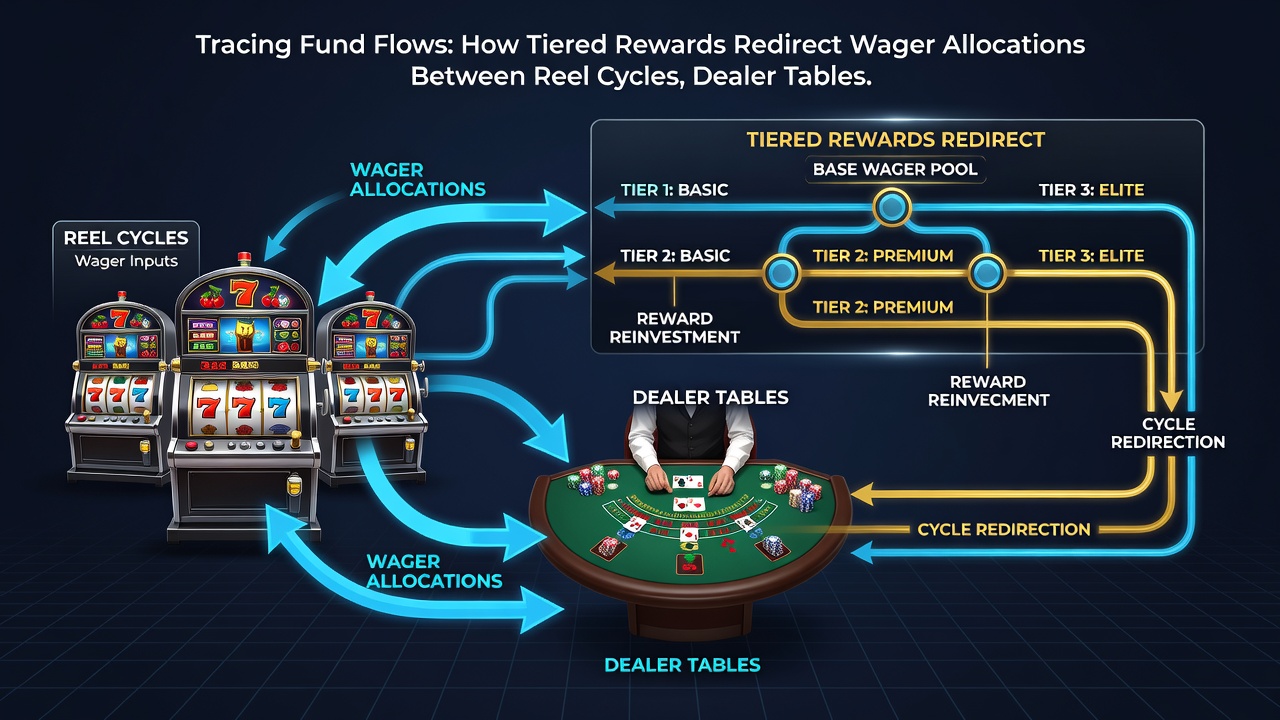
European Gaming and Betting Association reports confirm that cross-format movement accelerates when reward structures include expiration dates on accumulated points, prompting players to consolidate activity into whichever category currently offers the quickest path to redemption thresholds. Handheld devices facilitate these shifts because session data and point balances update instantly across all verticals within a single account.
Regulatory Context from Multiple Regions
Australian state regulators have examined how weighted contribution systems affect responsible gambling tools, noting that clear disclosure of point rates helps users understand why their spend patterns change across game types. In parallel, the Malta Gaming Authority requires operators to publish the exact wager-to-point ratios for each vertical so players can anticipate how their choices influence tier advancement and bonus eligibility.
Academic studies from the University of Nevada, Reno have tracked similar dynamics in North American markets, finding that players who receive weekly statements detailing contribution rates across slots, tables and sports reduce unplanned shifts between categories by approximately 18 percent. These findings suggest that transparent reporting on reward mechanics can moderate the redirection effects built into tiered programs.
Conclusion
Tiered reward frameworks continue to shape how mobile users allocate wagers among reel cycles, dealer tables and athletic markets by assigning different values to activity in each vertical. Platform data, regulatory disclosures and academic observations together demonstrate that contribution multipliers and interface prompts directly influence the flow of funds between these segments, with measurable effects appearing within weeks of structural changes. As operators refine these systems, the patterns of redirection remain a central feature of mobile gambling environments.