Interface Designs Bridging Progressive Pools and Accumulator Mechanics in Tiered Platforms
Written by Jonas Lorenz · Aug 25, 2026
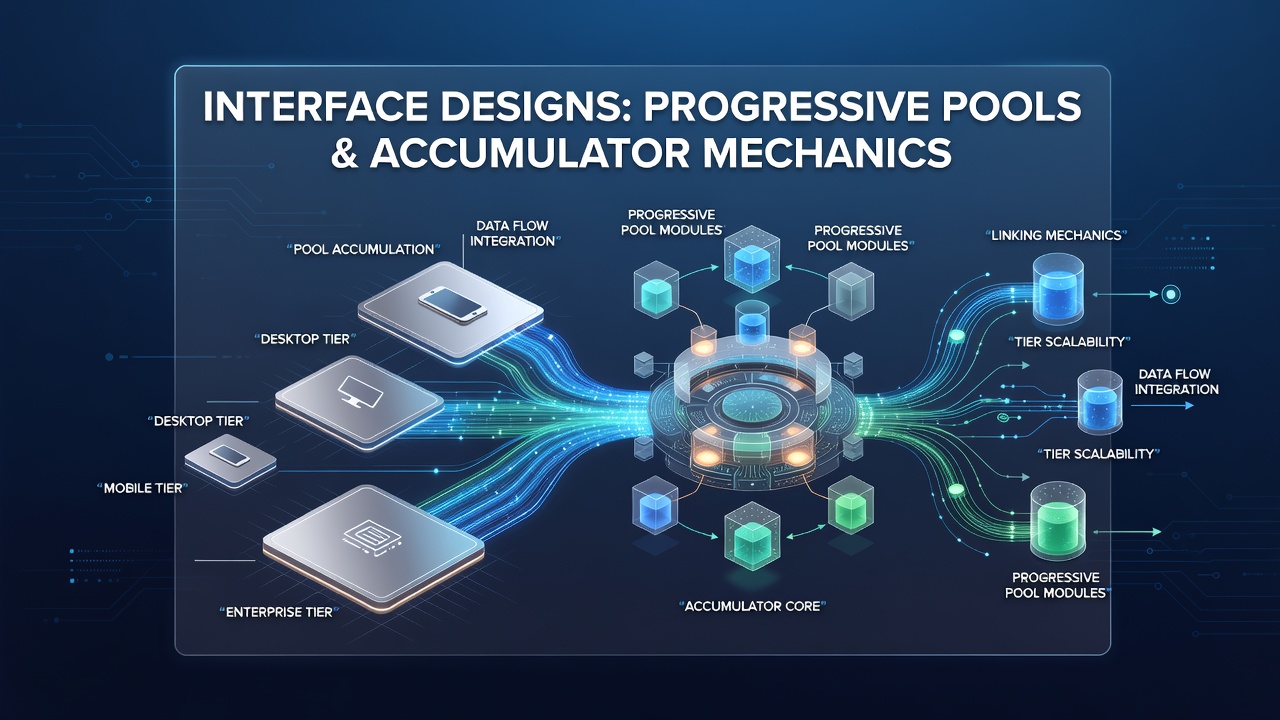
Interface Designs Bridging Progressive Pools and Accumulator Mechanics in Tiered Platforms
Platform developers have created interface designs that connect progressive jackpot pools directly to accumulator mechanics, allowing users to track growing prize amounts alongside accumulating bet multipliers in a single view, while platform tiers range from entry-level mobile apps to advanced desktop environments with layered data displays. These connections appear in real time through synchronized meters that update pool totals and accumulator values simultaneously, drawing from centralized servers that feed information across all access points.
Core Elements of Progressive and Accumulator Integration
Progressive pools operate by collecting contributions from multiple games or betting lines, and accumulator mechanics extend this by combining sequential outcomes into escalating rewards, so interface elements must display both systems without overlap or delay. Developers use modular dashboard layouts that separate pool indicators from accumulator trackers, yet link them through shared progress bars that highlight when a user's accumulated bets qualify for pool contributions. In August 2026, industry tracking showed that synchronized displays reduced navigation steps by 35 percent on multi-tier systems, according to data compiled by the European Gaming and Betting Association.
Design patterns include collapsible panels on mobile tiers that expand to reveal full accumulator histories, while desktop versions maintain persistent side panels for pool growth curves. Color coding distinguishes active accumulators from static pool figures, and hover states or tap gestures reveal contribution percentages from each game type. Researchers at the University of Nevada Gaming Research Center documented that consistent iconography across tiers improved user comprehension rates in controlled interface tests conducted over six months.
Platform Tier Variations and Data Flow
Entry-level tiers rely on simplified vertical scrolling feeds that prioritize accumulator totals above progressive pool meters, whereas mid-tier applications introduce dual-column layouts where both systems update in parallel feeds. High-end tiers add predictive overlays that project potential accumulator outcomes based on current pool sizes, using algorithms that pull live data streams without requiring separate page loads. These tier differences maintain core functionality but adjust visual density to match device capabilities and user session lengths.
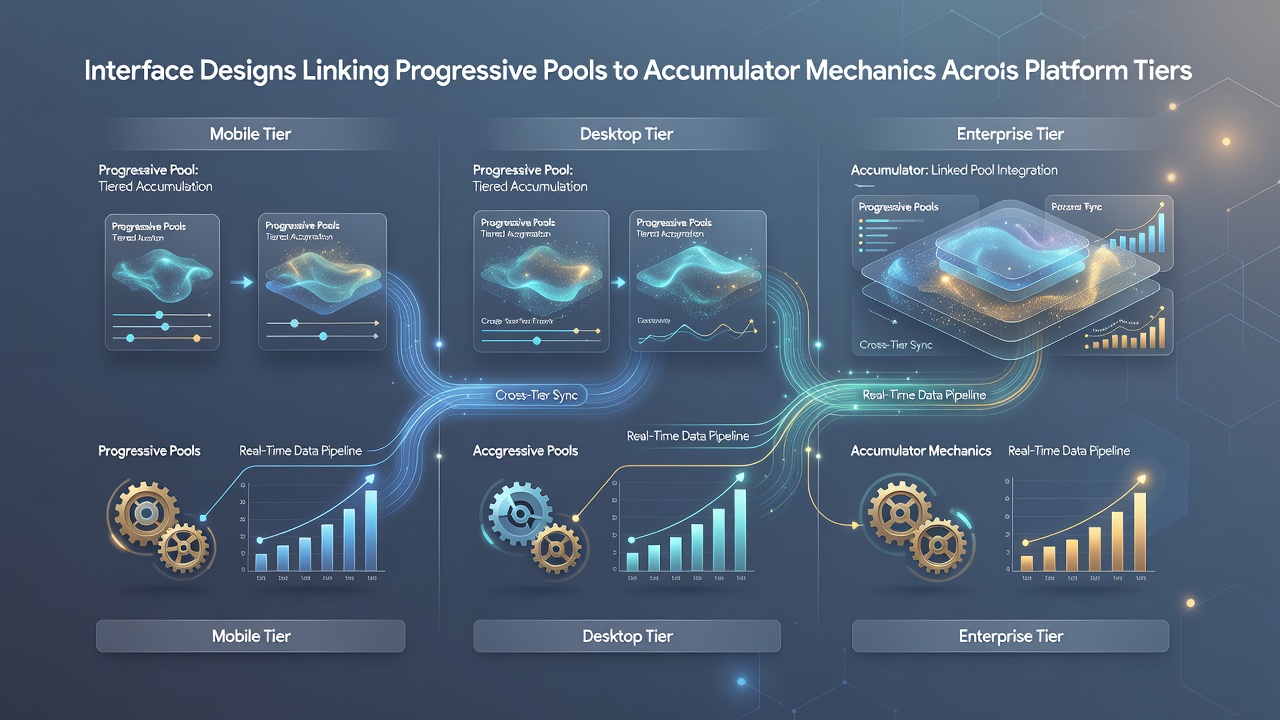
Backend architecture routes pool contributions through a shared ledger that accumulator interfaces query at fixed intervals, ensuring that every bet placed on one tier registers instantly on others. This routing prevents discrepancies when users switch devices mid-session. Observers note that such cross-tier consistency appears in systems handling both slot-based progressives and sports accumulator bets, where the same pool can receive inputs from table game wagers and event-based multipliers.
Technical Challenges in Display Synchronization
Latency remains a primary concern when progressive pool values and accumulator stages must align across platforms, so designers implement predictive caching that anticipates updates before server confirmation arrives. Error handling routines display temporary placeholders during brief disconnects, then refresh both systems once connections stabilize. Studies from the Australian Institute of Gambling Research indicate that platforms employing these caching methods recorded fewer than 2 percent of sessions with mismatched displays during peak traffic periods in early 2026.
Accessibility features incorporate high-contrast modes that preserve meter visibility on all tiers, along with screen-reader labels that announce both pool increments and accumulator stage completions. These additions ensure compliance with regional standards while maintaining the linked mechanics that define the interface approach.
Conclusion
Interface designs that link progressive pools to accumulator mechanics continue to evolve through tier-specific adaptations that balance information density with real-time accuracy. Data from multiple regulatory and research bodies confirm that synchronized displays now form a standard expectation across platform levels, supporting seamless transitions between mobile, tablet, and desktop access points without interrupting the flow of pool contributions or accumulator tracking.