Converging Digital Odds with Live Engagements and Betting Forecasts on Handheld Devices via Diverse Payments and Layered Benefits
Written by Leon Bauer · Aug 25, 2026
Converging Digital Odds with Live Engagements and Betting Forecasts on Handheld Devices via Diverse Payments and Layered Benefits
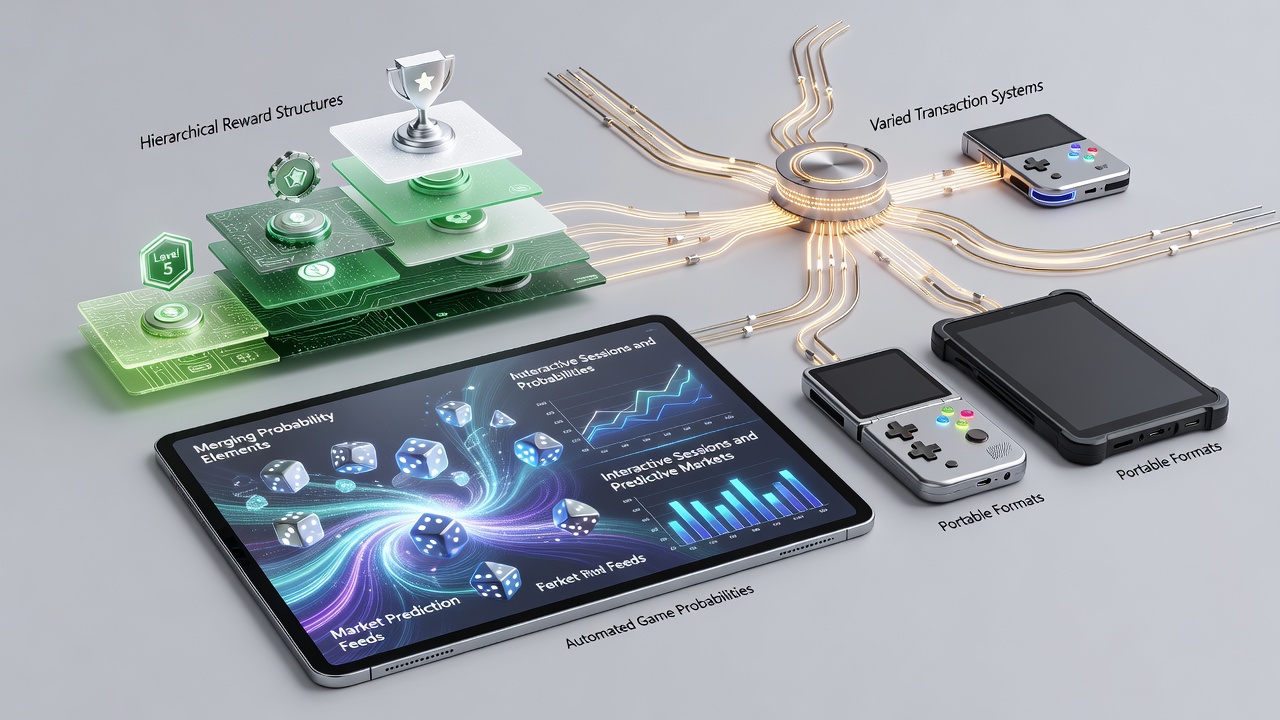
Platforms now combine probability mechanics drawn from automated games with elements from interactive sessions and predictive markets, all delivered through portable formats that rely on varied transaction systems alongside hierarchical reward structures. Data from industry reports shows these integrations have expanded steadily since the early 2020s, with mobile usage accounting for over 60 percent of total gaming activity in several regulated markets by mid-2025.
Probability Foundations from Automated Systems
Automated games rely on random number generators that establish fixed probability distributions for outcomes, and developers have begun exporting these core algorithms into broader environments. Researchers at academic institutions have documented how slot-based probability models feed directly into live table interfaces, allowing consistent odds calculations across game types while maintaining regulatory compliance. Observers note that this transfer reduces discrepancies that once appeared when players moved between automated and staffed tables.
Interactive Sessions and Real-Time Adjustments
Live dealer streams introduce human-paced decision points that contrast with the instantaneous nature of automated play, yet platforms merge the two by overlaying probability overlays onto video feeds. Studies from the European Gaming and Betting Association indicate that such hybrids increase session duration by 18 to 22 percent on average, because players receive both mechanical predictability and social cues within the same interface. Those who have examined user logs find that participants frequently alternate between automated spins and live rounds without leaving the same application window.
Predictive Markets on Portable Devices
Predictive markets, particularly sports and event wagering, operate on shifting odds that update in real time, and operators now embed these feeds into the same mobile applications that host automated and interactive content. Figures from the Nevada Gaming Control Board reveal that combined mobile sports and casino volumes grew 31 percent year-over-year through the first half of 2026, driven in part by unified account balances that move seamlessly between game categories. And because portable formats support push notifications, users receive market alerts without switching platforms.
Transaction Systems That Support Integration
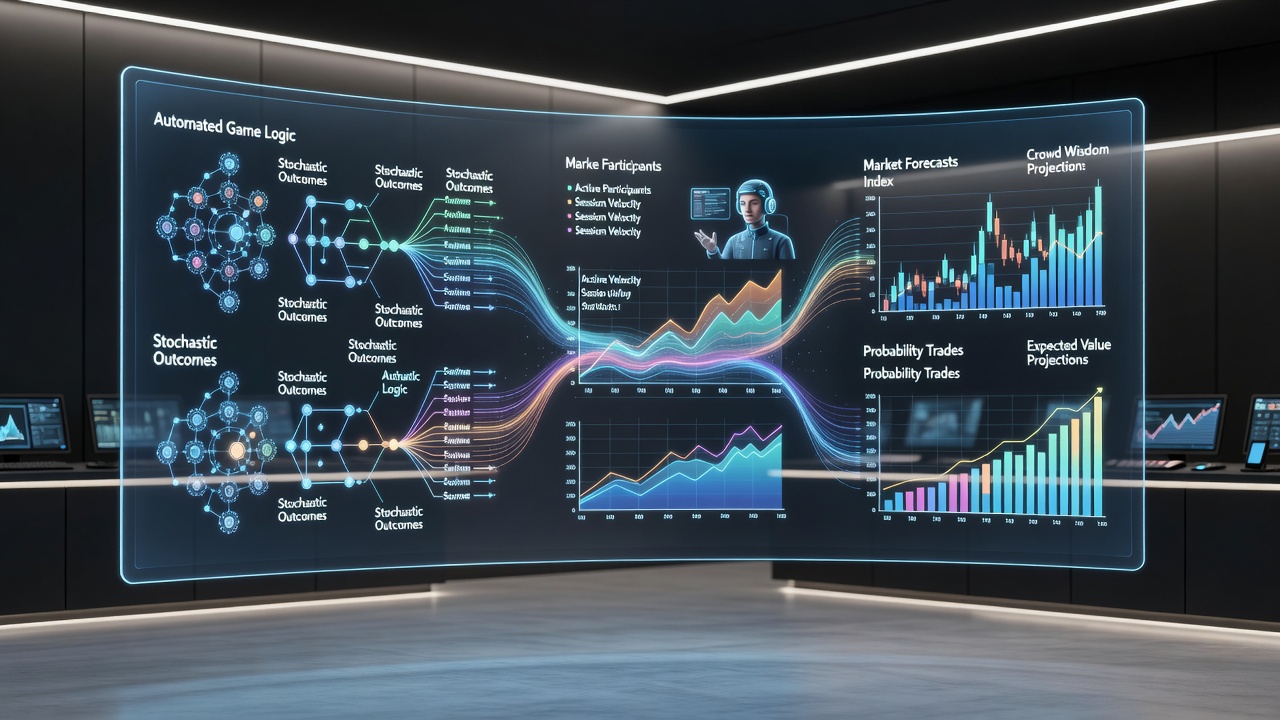
Varied payment methods underpin these merged experiences, ranging from traditional card processing to digital wallets and instant bank transfers. Transaction logs examined by compliance teams show that platforms offering four or more funding options retain users 27 percent longer than those limited to two methods. Because hierarchical reward structures track spending across all categories, a single deposit can simultaneously advance loyalty progress in slots, live tables, and predictive markets without manual allocation.
Hierarchical Reward Structures in Practice
Reward tiers operate on cumulative activity metrics that incorporate automated spins, live session time, and predictive market stakes. Data indicates that operators who link these metrics across formats see faster progression through bronze, silver, and gold levels, with top-tier participants gaining access to personalized odds boosts and exclusive event entries. One analysis of loyalty program data from 2025 found that players engaging with at least three merged categories reached the highest tier 40 percent more often than single-category users.
Regulatory Context in August 2026
By August 2026 several jurisdictions outside the UK had updated technical standards to accommodate cross-format probability calculations, requiring operators to demonstrate that automated RNG outputs remain independent when ported into live and market environments. Canadian provincial regulators and Australian state authorities both released guidance documents that month emphasizing audit trails for mobile transaction flows and reward point calculations. These updates have prompted platform providers to publish transparency reports that detail how probability elements travel between game types without altering house edges.
Technical Implementation Patterns
Developers achieve the merge through modular APIs that pull probability tables from automated engines while feeding live session data and market odds into a shared risk-management layer. Observers who have reviewed patent filings note that real-time synchronization engines now handle latency under 200 milliseconds on 5G networks, enabling smooth transitions between automated reels and live dealer decisions. Portable formats benefit further from cached probability data that remains accurate even during brief connectivity drops.
Future Trajectory Based on Current Data
Current adoption metrics suggest continued expansion of these integrated systems, particularly as transaction providers introduce programmable payments that automatically allocate portions of deposits toward specific reward tiers. Reports from multiple regulatory bodies confirm that player protection tools, such as unified spending limits across all merged categories, have become standard features in new platform certifications. Those tracking industry filings expect further standardization of data formats by late 2027 to support cross-border portability of both balances and loyalty status.
Conclusion
The convergence of automated probability elements, interactive sessions, and predictive markets within portable formats, supported by varied transaction systems and hierarchical reward structures, reflects measurable shifts in platform architecture and user behavior. Available statistics and regulatory updates through August 2026 document steady adoption across multiple jurisdictions, with technical and operational frameworks continuing to evolve around unified mobile ecosystems.